

A Smarter Start to Healing
Recovery can feel slower than expected after surgery, especially when swelling, tightness, and discomfort start to build. At InHands Postoperative Therapy, lymphatic massage in San Jose is used to support the lymphatic and circulatory systems, help move fluid more efficiently, and make the recovery process feel more manageable in the days and weeks after a procedure.
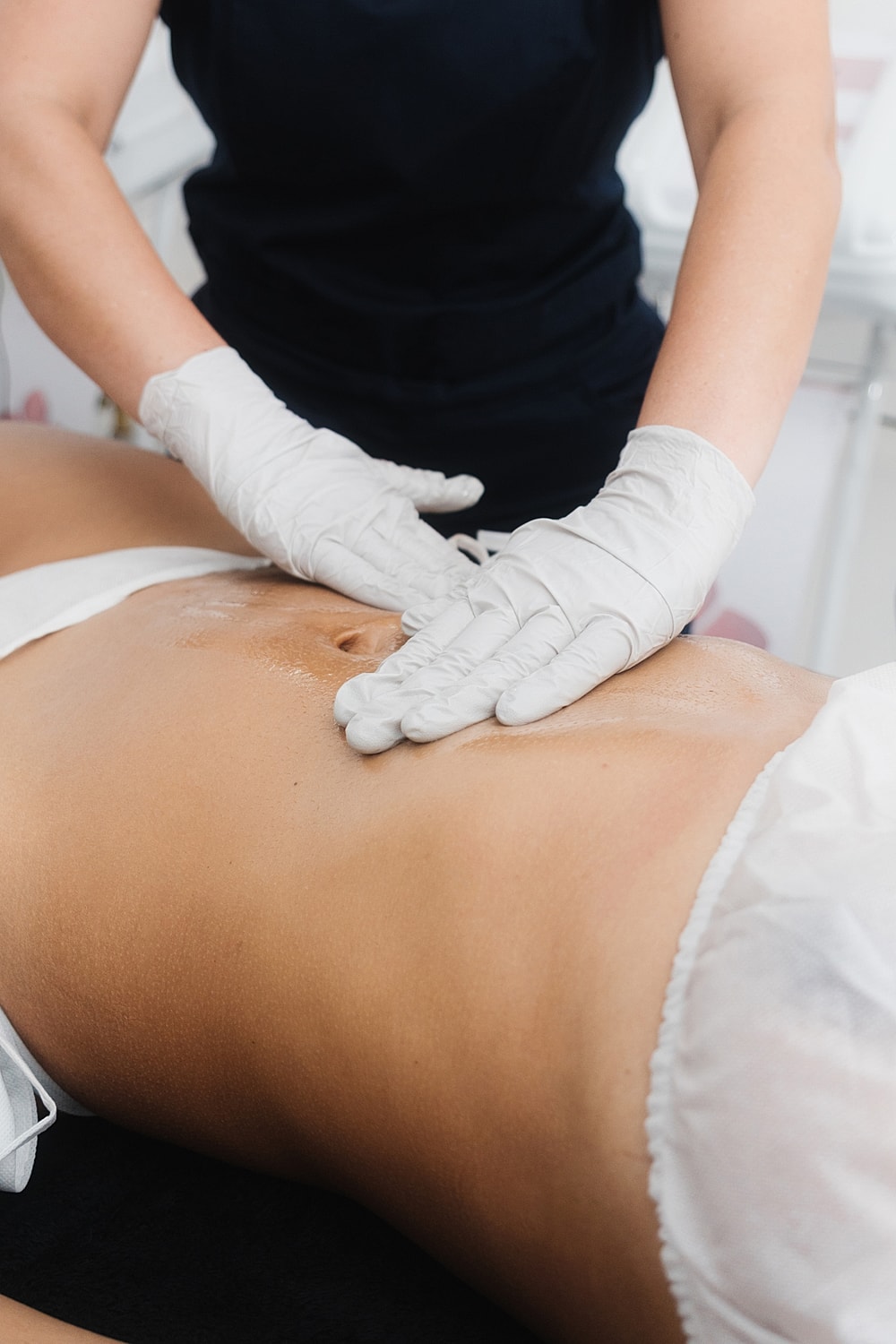

Postoperative lymphatic massage is a gentle manual technique that supports healing by encouraging lymphatic flow after surgery. The lymphatic system helps regulate fluid balance and clear waste from tissues. When that system is disrupted by surgery, fluid can collect, swelling can linger, and recovery can feel heavier than it needs to. The live page explains that lymphatic drainage is used after surgery to address congestion, support circulation, and reduce the risk of complications tied to fluid buildup. At InHands, this work is approached with both clinical judgment and patient education.
How does lymphatic massage work?
With Lymphatic massage San Jose patients may support their recovery by:
The existing page also notes that some patients notice visible changes and relief from skin tightness after one session, while others benefit from a series of treatments for longer-term improvement.
Lymphatic massage after surgery should not be treated like a standard spa service. In San Jose, patients have plenty of options, but the level of clinical training behind the treatment matters. The current page makes this point directly: not all lymphatic massage is the same, especially in post-operative care, and medically trained, licensed, and certified therapists are better equipped to work with more complex recovery needs.
The page also links readers to the practice blog post on choosing a qualified lymphatic massage therapist in San Jose or Los Gatos.
The Gentle Care That Supports Recovery
At our clinic in San Jose lymphatic massage is very different from deep tissue massage or more traditional bodywork. The touch is light, methodical, and directed along the body’s lymphatic pathways. The current page describes the treatment as gentle, systematic pressure rather than forceful manipulation.
When should you start? The timing of your first session depends on your surgery and on what your surgeon recommends. The live page gives these general guidelines:
Overall Wellness
Lymphatic massage is not limited to surgery recovery. The current page describes a full-body wellness treatment using the Vodder Technique, with gentle rhythmic strokes intended to activate lymph nodes, redirect stagnant fluid, and support immune function. It is presented as a way to support detoxification, fluid balance, and general wellness.
This is the recovery-focused version of treatment. Each session is adjusted to the patient’s specific needs and surgical history, with techniques that follow the body’s natural drainage pathways. The live page notes that this approach can offer meaningful relief from post-surgical swelling and discomfort, sometimes beginning with the first visit, though several sessions may be recommended depending on the procedure.
For orthopedic recovery, treatment is aimed at reducing inflammation, easing discomfort, and improving mobility. The current page describes a 50-minute session that uses light touch to engage lymphatic tissues and help patients return to daily activity more comfortably.
Lymphatic treatment can also support patients living with the long-term effects of cancer treatment. The live page describes this work as a way to reduce tissue burden, improve soft tissue mobility, ease nerve pain, and improve quality of life after oncologic care.

Recovery is rarely about one symptom. Swelling affects comfort. Fluid retention affects mobility. Bruising, tightness, and sensitivity can all overlap. The current page says treatment is tailored to the individual so patients receive the most effective support for how they feel and how they are healing.
Gentle manual treatment encourages lymph flow and helps reduce fluid buildup more efficiently.
As swelling comes down, pressure on tissues and nerves can ease, which often improves comfort.
Lymphatic massage may help the body clear bruising more efficiently so visible recovery moves along sooner.
Treatment can help soften tissue as healing progresses and support a more even recovery pattern.
Ongoing sessions may help prevent or reduce fibrosis so tissues stay softer and more pliable over time.
Treatment may help lower the likelihood of fluid pockets after surgery and support resolution if they occur.
By improving circulation and reducing congestion, lymphatic massage can help create a better environment for healing.
Light-touch techniques may help stimulate nerves and support the return of sensation in treated areas.
For procedures involving lymph node disruption or removal, treatment may help manage symptoms and reduce risk.
The current page also notes that improved lymph flow and a lower inflammatory burden may help reduce the fatigue many patients feel after surgery.
Greater Comfort, Earlier
Manual lymphatic drainage performed by a highly trained provider may help with:
Prioritize Your Recovery
Recover Better at Home, Too
Healing does not begin and end in the treatment room. The current page notes that some patients feel hesitant about bodywork after surgery, which is why InHands also offers guidance for simple lymphatic drainage techniques that can be performed at home. The goal is to help patients support their own healing safely between visits.
Visible Relief, Tangible Comfort
Within 24 to 48 hours, swelling may visibly improve, while deeper healing continues over time. For many patients, the office recommends three to five sessions over two to three weeks for the most noticeable results.
The short-term benefit is often less swelling and less tightness. The longer-term benefit can be improved lymph flow, more sustained comfort, and better support for the body’s natural healing processes. Maintenance sessions may also be recommended.
Customize your postoperative experience with support from a recovery-focused team. Partner with InHands Postoperative Therapy and Recovery for a smoother, more comfortable recovery in San Jose. Our goal is to help you heal well and feel supported at every stage.
Usually not. Therapists use very light pressure and gentle, rhythmic movements. Some areas may feel mildly sensitive during early post-op sessions, but treatment should not be painful.
It depends on the procedure and how you are healing. We generally recommend:
Not as a primary treatment. Lymphatic massage may support detoxification and reduce water retention, which can temporarily affect body measurements, but long-term weight loss still depends on nutrition and exercise.
Loose, comfortable clothing is best. Depending on the treatment area, partial undressing may be needed, with appropriate draping provided. Post-surgical patients are also advised on the live page to bring any prescribed compression garments, so fit and style can be assessed.
Yes. Lymphatic massage may also help with: