

After surgery, healing depends partly on the body’s ability to deliver oxygen to tissues under stress. Swelling and disrupted circulation can make that process less efficient, leaving some patients dealing with persistent inflammation, discomfort, fatigue, or mental fog.
Hyperbaric oxygen therapy, often shortened to HBOT, increases oxygen availability under controlled pressure. For San Jose patients recovering from surgery or managing other health concerns, treatment offers a medically supervised way to support tissue repair and the body’s natural recovery processes.

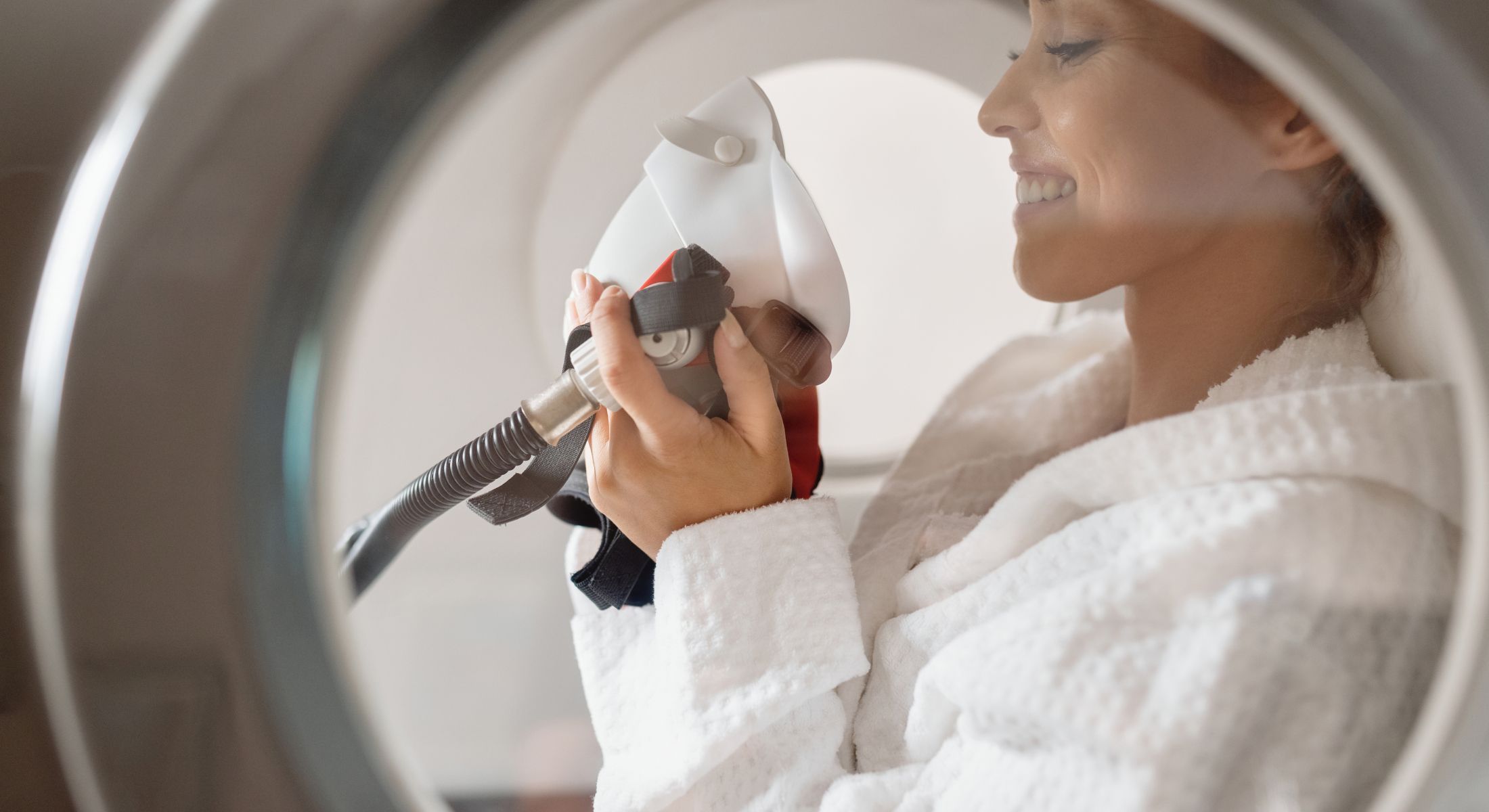
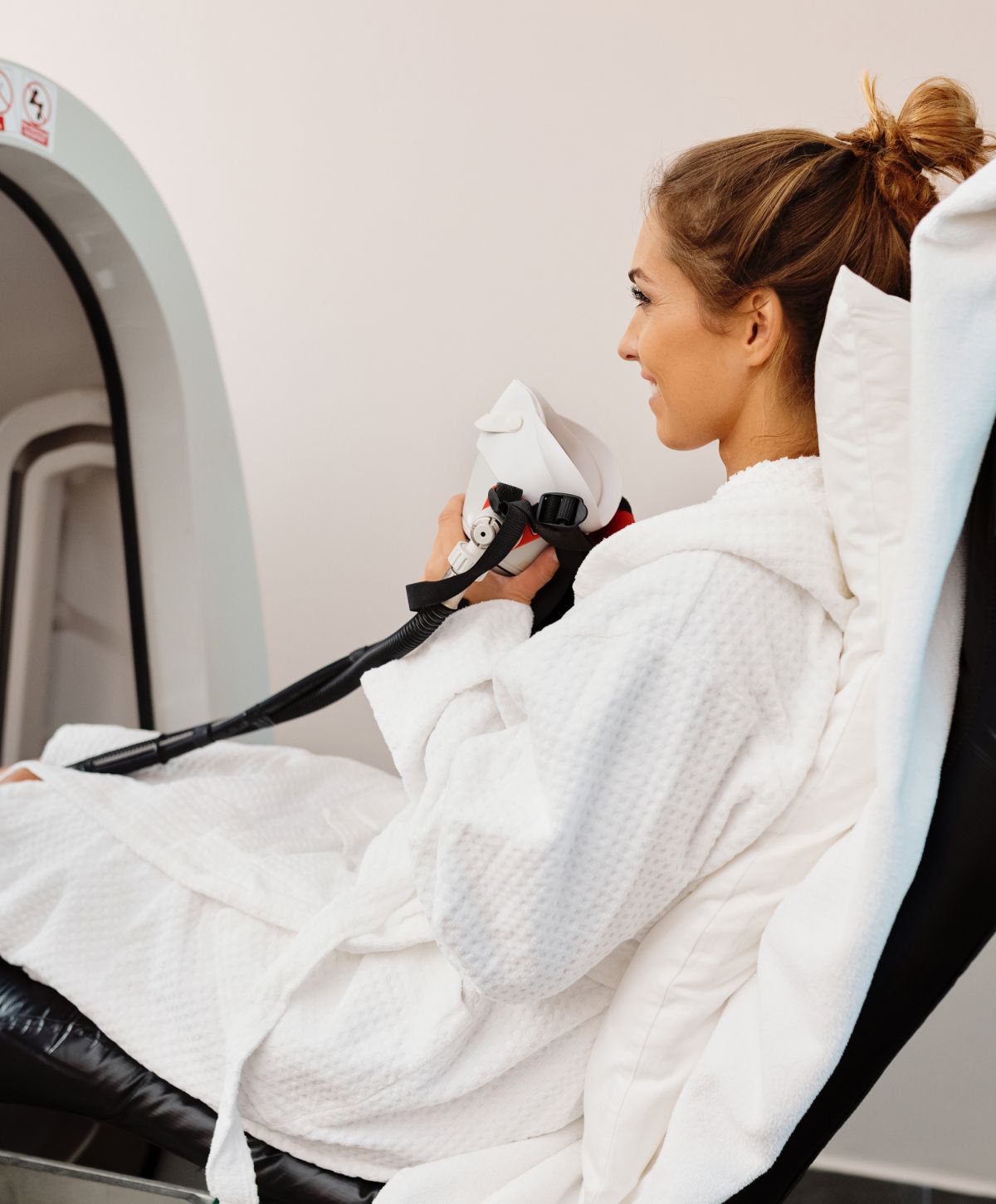
Hyperbaric oxygen therapy is a clinical treatment in which you breathe concentrated oxygen inside a pressurized chamber. The increased pressure allows more oxygen to dissolve into blood plasma, helping it reach tissues where circulation may be limited.
At InHands Postoperative Therapy and Recovery, HBOT can be used on its own or alongside other recovery services. Greater oxygen availability may help calm inflammation, support cellular energy production, and give healing tissues additional resources during repair.
Many patients seek hyperbaric oxygen therapy in San Jose while recovering from surgery, but its whole-body effects may also support several health and wellness goals:
Results vary, and treatment recommendations should reflect your medical history, current symptoms, and reason for seeking care.
Under ordinary atmospheric conditions, oxygen travels through the body primarily on red blood cells. When tissue is swollen, damaged, or receiving less blood flow, oxygen delivery may become less efficient.
Inside a hyperbaric chamber, increased atmospheric pressure allows more oxygen to dissolve into the bloodstream and plasma. This creates a greater supply of oxygen that can circulate throughout the body, including areas where blood flow has been affected.
Healing requires energy. By increasing oxygen availability, HBOT may support cellular repair, tissue recovery, and the body’s natural response to inflammation.

HBOT may be appropriate if you are recovering from surgery and want additional support for swelling and tissue healing. It may also be considered for chronic inflammation, persistent discomfort, or fatigue that has not improved sufficiently with conventional care.
Patients interested in circulation, mitochondrial function, and long-term wellness may also choose HBOT as part of an individualized care plan.
When considering hyperbaric oxygen therapy San Jose patients should be aware that this treatment is not suitable for everyone. Certain lung conditions, including an untreated pneumothorax, can make treatment unsafe. Active ear infections and difficulty equalizing pressure may also prevent or delay a session.
Your intake includes a review of your health history, current medications, and relevant medical conditions. This screening helps determine whether treatment is appropriate and whether clearance from your doctor is needed.
During hyperbaric oxygen therapy San Jose patients can expect the following:
A few simple steps can make your session more comfortable:
Many San Jose hyperbaric oxygen therapy patients leave their appointment feeling refreshed or pleasantly relaxed. Others notice changes gradually over a series of treatments.

Response times vary. Some patients notice a change in acute swelling or inflammation after one or two treatments. Chronic pain, cognitive fatigue, arthritis, fibromyalgia, and longer-standing concerns generally require a series of sessions.
Your results will depend on the condition being addressed, your overall health, and how consistently you follow the recommended treatment plan. HBOT supports recovery, but it cannot promise a particular healing speed or surgical outcome.
For surgical recovery in San Jose, a concentrated plan of five to ten sessions may be recommended. The timing should reflect your procedure, healing stage, and surgeon’s guidance.
Patients pursuing broader wellness goals may choose periodic maintenance sessions. Your clinician will make recommendations based on how your body responds rather than placing you on an automatic schedule.
Hyperbaric oxygen therapy is generally well tolerated when candidacy is carefully assessed and treatment takes place in a controlled setting.
Ear pressure is the most common concern because the chamber creates changes similar to those experienced during air travel. Temporary fatigue and mild vision changes may also occur. Your clinician monitors you throughout the session and explains how to equalize pressure comfortably.
Tell the team immediately if you experience ear pain, difficulty breathing, unusual discomfort, or anxiety inside the chamber.
The cost of hyperbaric oxygen therapy depends on the number of treatments included in your personalized plan. Pricing may account for:
Beginning with a single session allows the team to evaluate your response before recommending a longer series.

Postoperative bodies require thoughtful care. Swelling, tissue sensitivity, medication use, mobility changes, and surgical timing all affect how a recovery therapy should be approached.
At InHands near San Jose HBOT is overseen by professionals who understand these details. Your treatment plan is coordinated around your procedure, current stage of healing, medical history, and other recovery services. Care remains attentive and measured, with screening before treatment and monitoring throughout the session. For patients throughout San Jose and the South Bay, this creates a more clinically grounded way to incorporate oxygen therapy into postoperative recovery or a broader wellness plan.
Shape your postoperative experience with guidance from a team that understands recovery. Partner with InHands Postoperative Therapy and Recovery for attentive HBOT care in San Jose, CA. We will help you plan each session around your health, your procedure, and the way your body is healing.
Most patients find the experience comfortable and relaxing. You lie down inside a spacious, clear-walled chamber while pressure gradually increases. Your ears may feel similar to the way they do on a flight or during a deep swim. Once the chamber reaches the prescribed pressure, you can rest, sleep, or watch something during treatment.
Yes, when your care team determines that the combination is appropriate. HBOT may be used alongside lymphatic drainage or red light therapy to address different aspects of tissue repair, swelling, and postoperative recovery.
No. Candidacy must be evaluated before treatment. Certain lung conditions, ear concerns, medications, and other health factors may make HBOT unsuitable or require medical clearance. Your clinical intake allows the team to review these considerations and determine whether treatment can be performed safely.
HBOT may help some patients experiencing postoperative mental fatigue by increasing oxygen availability and supporting cellular energy. Brain fog can have several causes, including anesthesia, medications, poor sleep, inflammation, and the physical demands of healing. Improvement varies, and persistent or worsening cognitive symptoms should be discussed with your doctor.
The number depends on your condition and treatment goals. A series of four to twelve sessions may be recommended for an acute injury or surgical recovery. Chronic concerns may call for a longer plan. Your clinician will evaluate your response and adjust the schedule as needed.