


Medical manual lymphatic drainage (MLD) is a gentle, light-pressure technique used in clinical care for swelling after surgery and for conditions like lymphedema. Brazilian lymphatic drainage is a firmer, faster, sculpting-style massage offered mainly in spas and wellness studios. At InHands Postoperative Therapy & Recovery in Los Gatos, our licensed occupational therapists and registered nurses use MLD-based techniques and adjust pressure to your tissue, your healing and your surgeon’s preferences.
If you have seen lymphatic massage on social media, you may expect deep, vigorous strokes. A medical lymphatic session feels different, and there is a reason for that. This page explains both approaches so you know what to expect before your first visit.


Your lymphatic system collects extra fluid from your tissues and returns it to your bloodstream. Many of the small vessels that start this process sit just beneath the skin. MLD uses light, slow, rhythmic skin movements that follow lymphatic pathways, first clearing the areas fluid drains toward, then gently moving fluid from swollen areas.
Cleveland Clinic describes lymphatic drainage massage as a gentle technique that uses light pressure, used mainly for lymphedema after breast cancer surgery and for conditions such as lipedema and venous insufficiency. The National Cancer Institute describes it as gentle massage that helps move lymph fluid, managed by a certified lymphedema therapist. There are also other certifications that equip medical providers to perform treatment.
Brazilian lymphatic drainage is a popular wellness and aesthetic massage. It generally uses firmer, faster, more sculpting strokes, and many people seek it for a “debloated” or contoured look. It is usually offered in spas and wellness studios rather than medical settings. Many people enjoy it as a wellness service. It is a different approach from medical MLD, and it is not designed around healing incisions, drains, swollen surgical tissue or medical conditions.
| Pressure | Medical MLD at InHands Light at first, adjusted as you heal and as your surgeon allows | Brazilian lymphatic drainage Generally firmer |
| Pace | Slow and rhythmic | Generally faster and more vigorous |
| Main goal | Move fluid, support comfort and mobility, protect healing tissue | Sculpted or “debloated” look, relaxation |
| Who provides it | Licensed occupational therapists and registered nurses with lymphatic certification | Usually massage therapists or estheticians |
| Starts with | An assessment of your surgery, health history and goals | Varies |
InHands is a medical clinic, not a spa. Most of our patients are healing from surgery or managing swelling linked to a medical condition. That shapes everything about how we work.
Every InHands lymphatic therapist is a licensed medical provider. Our team includes licensed occupational therapists and registered nurses, and each holds additional lymphatic training, such as Certified Lymphedema Therapist (CLT), Certified Cosmetic Surgery Therapist (CCST) or manual lymphatic drainage certification.
Credentials matter because your therapist needs to understand surgery, healing timelines, swelling patterns and warning signs. In California, occupational therapists and registered nurses are licensed by state boards. For patients recovering from surgery or managing a medical condition, we believe a licensed medical provider with lymphatic training is the right fit. Learn more in our guide to choosing a qualified lymphatic therapist.
One credential worth knowing: CLT-LANA certification, offered by the Lymphology Association of North America, requires a national exam and is renewed through continuing education.
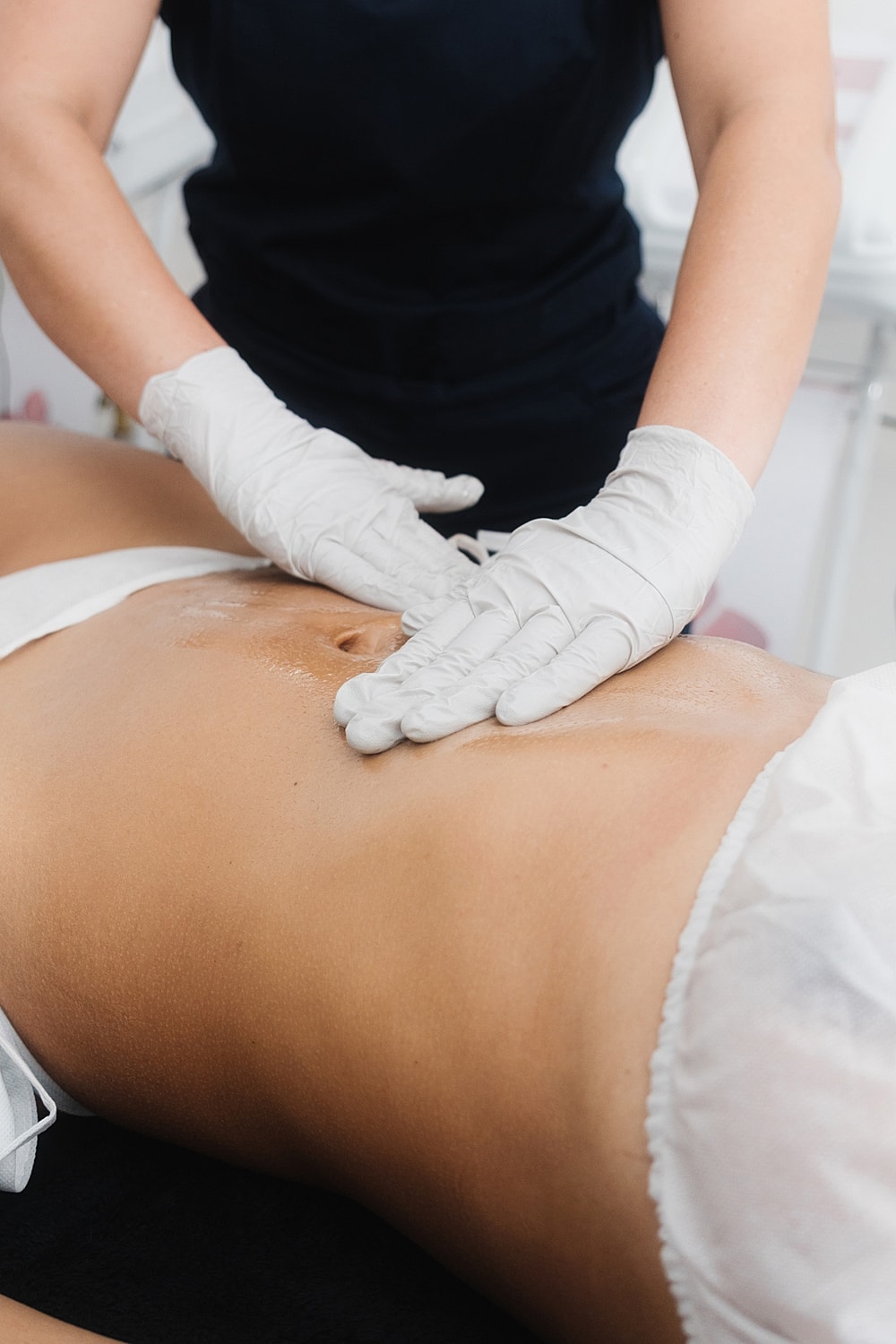
Sessions are typically 60 minutes but can be extended, and any additional modalities you need in that session are included.
Lymphatic drainage is not appropriate for everyone. Cleveland Clinic advises avoiding it with conditions such as blood clots, deep vein thrombosis, infection or cellulitis, fever, heart disease, kidney failure or a recent stroke. You will be asked to complete a full health history before your visit to InHands. If you have signs of infection, a new or one-sided swollen leg, chest pain or shortness of breath, contact your doctor or call 911 instead of booking a session.
It depends on your procedure, your healing and your surgeon’s instructions. Firm, fast pressure on healing tissue may not be appropriate in early recovery. Ask your surgeon before booking any lymphatic massage after surgery.
MLD uses light pressure on purpose. It is designed to move fluid through vessels that sit close to the skin without stressing healing tissue. Your therapist may adjust pressure as you heal and as your surgeon allows.
Yes, tell your therapist what you are looking for. They will explain what is appropriate for your tissue, your stage of healing and your surgeon’s preferences, and adjust when it is safe to do so.
Our lymphatic therapy is based on medical MLD. For wellness clients without recent surgery, your therapist may use firmer pressure when it is appropriate for you. We also may recommend other Brazilian lymphatic providers in the community that we feel may better suit your needs.
No. Lymphatic drainage is not a weight loss or fat reduction treatment.
We recommend a licensed medical provider, such as an occupational therapist, physical therapist or registered nurse, with specialized lymphatic training and experience with your type of surgery.
For postoperative lymphatic therapy, we do recommend that you speak with your surgeon.
Call 408.827.4267, email [email protected], or book online. InHands Postoperative Therapy & Recovery serves Los Gatos and the San Jose metro area.
Related: Postoperative lymphatic therapy · Lymphatic therapy for wellness · Insurance, HSA and FSA · Pricing
Medical review: David Boudreault, MD, FACS. Last updated: November 1, 2026. This page is educational and does not replace advice from your surgeon or doctor.